

In 2025, a total of 234 sisters graduated through the African Sisters Education Collaborative’s Higher Education for Sisters in Africa (HESA) program at 17 partner colleges and universities across Africa, with at least 81 earning awards or honors. Graduations took place in Tanzania and Uganda, with four and three graduations, respectively, followed by Kenya and Zambia, which each had two. Cameroon, Lesotho, Nigeria, Ghana, South Sudan, and Malawi each celebrated one graduation. Rejoicing in these accomplishments highlights the sisters’ dedication and determination, their drive to learn and grow as leaders to better serve and uplift their communities, which are both critical and worth sustaining.
The need for the ASEC’s HESA program is simple and urgent: women religious across Africa are leading schools, hospitals, and social services without access to the education these roles demand. HESA is sponsored by the Conrad N. Hilton Foundation, which closes this gap by equipping sisters with degrees through partnerships with colleges and universities, 21 in Africa and 3 in the United States, that improve services for the communities they serve. The result is lasting change driven by leaders who are deeply rooted, highly trained, and committed for the long haul.
The value of educating African sisters is multiplied when they return to the communities that raised them, using their education to address local needs and strengthen communal life. With advanced education, they serve millions in underserved communities. The benefit is practical and lasting; their communities become more resilient because the people guiding them are educated and, most of all, care for them.
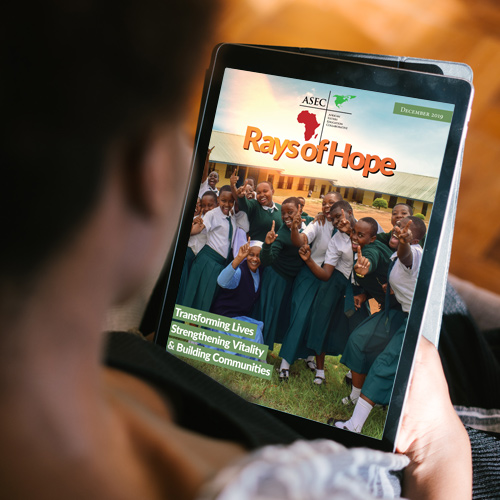
Read Rays of Hope
Learn more about Catholic Sisters transforming poor, rural communities across Africa in our FREE Rays of Hope ebook.
Read It Now »
Graduation celebrations across Africa. Top row, from left: Lesotho, Uganda, and Malawi. Center, Tanzania. Bottom row, from left, Uganda, Malawi, and Nigeria.
What stands out most from the graduations is the sisters’ own perspectives. Their reflections move beyond statistics to describe the challenges they faced and the skills they gained. Those voices set the stage for concrete examples of how education reshapes their work and deepens their impact. Sr. Patricia Mulenga, ASEC coordinator in Zambia, highlighted the real impact of the HESA program at the July 26, 2024, graduation. Reflecting on the milestone, she said, “We always appreciate the support we have been receiving since the inception of ASEC programs in our country. This has transformed the lives of sisters and the people they save. May this collaboration continue flourishing.” Her words capture how the program goes beyond degrees, strengthening sisters’ ability to serve and uplifting the communities they touch.
At the Catholic University of Health and Allied Sciences in Tanzania, Sr. Matilda Tairo CDMK, a recent graduate, played a pivotal role in the life of a woman facing betrayal and abandonment after her husband stopped supporting her. She sank into depression, but Matilda stepped in as a mentor and sister, offering guidance, encouragement, and practical support to help her regain focus, trust in God, and a sense of purpose. Through Matilda’s support, she overcame her challenges, a testament to the transformative power of education.
Your support makes stories like these possible. By contributing to ASEC, you help sisters gain the education, skills, and confidence they need to achieve personal and professional accomplishments, with many graduates already moving into jobs and leadership roles that transform lives and strengthen communities across Africa. Every gift brings hope, opportunity, and lasting impact—please consider donating today.