

My first trip to Africa with ASEC centered on an alumnae workshop that gathered sisters and staff from the staff from the United States and 11 countries ASEC serves, followed by site visits across Zambia with members of the US staff. It is difficult to summarize the trip and the impact it has had on me, because every day brought something meaningful and unexpected.
After traveling a long distance, we began preparing for the workshop almost immediately. Seeing materials laid out and helping prepare name badges and welcome bags made me feel eager to meet the sisters and begin the week. As the sisters arrived and checked in, the space filled with excitement and warmth. There was a shared sense of anticipation for the learning and collaboration to come.
The opening Mass was a powerful way to begin the week. A student choir sang throughout the liturgy, and it was one of the most beautiful and moving Masses I have attended. It felt like a unifying moment for everyone involved, including staff, alumnae, and additional participants. That evening, we shared a celebratory dinner, officially welcoming the start of the workshop and beginning to form a strong sense of community together.
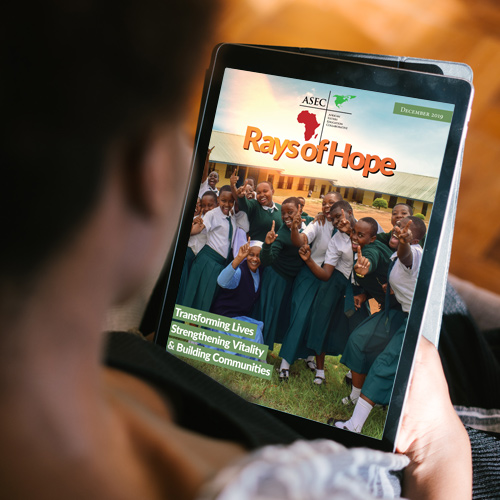
Read Rays of Hope
Learn more about Catholic Sisters transforming poor, rural communities across Africa in our FREE Rays of Hope ebook.
Read It Now »
Scenes from the alumnae workshop including collaborative interview practice, the annual content awards celebration, moments of connection at the Bauleni Special Needs Project, and U.S. and African staff learning and growing together throughout the week.
Once the workshop sessions began, the days filled quickly. Each morning started with Mass, followed by sessions focused on storytelling, interviewing, data collection, photography, writing, and donor engagement. One of the strongest themes throughout the week was the importance of telling a compelling story. The focus was not simply on gathering information, but on communicating impact clearly and thoughtfully.
I had the opportunity to present on gathering visual content alongside Mathews Kalabo, the photographer instructor, and also shared how ASEC’s social media platforms and website are used to share stories and extend ASEC’s reach. We discussed how photos and videos can tell a story, particularly images that show sisters and beneficiaries in action. We also emphasized the idea of “capture the moment,” and it quickly became a phrase the sisters returned to throughout the workshop. Seeing them adopt that mindset and begin applying it immediately was incredibly rewarding. Within a short time, the sisters were already sharing strong photos and conducting thoughtful practice interviews.
What stood out to me most was how quickly the sisters absorbed and applied what they were learning. Interview practice sessions were energetic and thoughtful. Photo exercises became collaborative and creative. The sisters’ enthusiasm felt genuine, and their excitement about the new tools they gained for sharing stories continued even beyond the instruction time.
Excitement did not stop there; the annual content contest and awards brought an incredible sense of celebration. There was singing, dancing, and pride in recognizing each other’s work. Alumnae research poster presentations highlighted another dimension of ASEC’s impact. Even when resources were limited, alumnae found creative ways to present their research using what they had available. That resourcefulness was striking to me.
One of the most impactful days of the workshop was the field visit to the Bauleni Special Needs Project, led by alumna Sr. Lucky Nambeye, SSHJM. This visit allowed participants to put into practice what they had been learning throughout the week by interviewing, taking photos, and gathering stories in a real ministry setting. Seeing the work being done there, including education, trade training, and care for individuals with disabilities, was powerful. One personal moment that stayed with me was communicating in sign language with some of the young men in the woodworking area. I only know a small amount, but being able to connect even briefly in that way was meaningful and memorable.
We also visited a cultural village market, which was my first experience in an African open market setting. It was lively and intense, but also fascinating. Many of the sisters were visiting Zambia for the first time as well, and that shared sense of navigating new surroundings created an unexpected connection among us.

During site visits across Zambia, ASEC staff applied workshop lessons in real ministry settings, connected with partner institutions including DMI St. Eugene University, and explored service-learning and cultural sites to deepen global partnership.
After the workshop concluded and participants returned to their home countries, U.S. staff remained in Zambia for site visits focused on service learning locations, potential cultural experiences for the program, and opportunities to connect with alumnae and visit their ministries. At the Kasisi Centre, where service learning students will stay, we saw special needs care, elder care, and farming ministries in action. What impressed me most was Kasisi’s commitment to keeping the children in their care connected with their families whenever possible, allowing many to return home on weekends rather than remaining apart long-term.
We also visited partner institutions, including DMI St. Eugene University and the Zambia Association of Sisterhoods (ZAS). Touring the university’s labs, technology centers, and studios demonstrated the strength of ASEC’s academic partnerships. Visiting offices where ASEC’s work is carried out locally highlighted the global reach of ASEC’s mission. Seeing copies of the Rays of Hope magazine in Zambia was especially meaningful, serving as a reminder that the stories I have helped produce are truly reaching people around the world.
Another highlight of the site visits was the opportunity to interview alumnae, including a scholarship alumna. Hearing how her ASEC experience continues to influence her work beyond ASEC programs demonstrated the lasting impact of ASEC’s support and the ways it extends into other ministries and organizations.

Megan with ASEC staff and alumnae during the workshop in Zambia, reflecting the strong sense of community and collaboration that shaped the week.
Looking back, what stays with me most is the combination of faith, professionalism, joy, and determination I witnessed throughout the trip. The workshop was not only about communication techniques, but it was also about equipping leaders to share real stories of real impact. Being present to see those stories, on site visits where they happen, changed how I understand ASEC’s work and impact. It was my first trip to Africa, but it did not feel like being an outsider. It felt like being welcomed into something already alive and growing.