
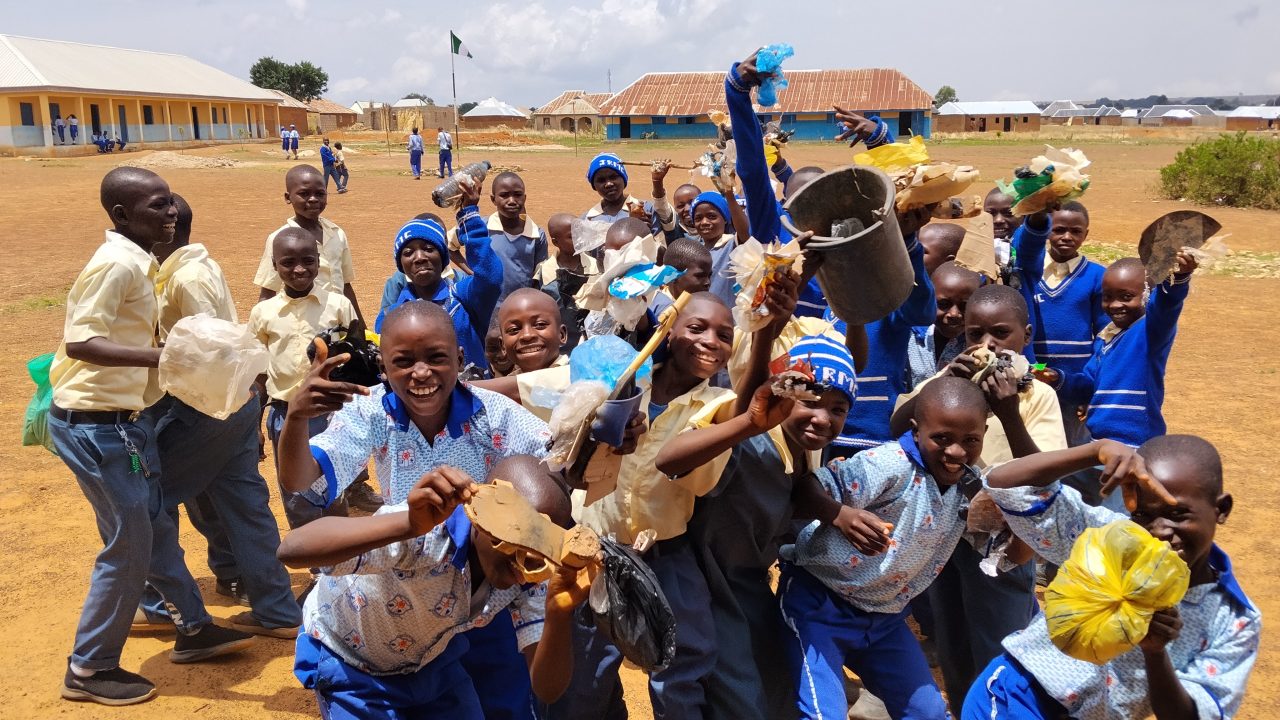
Building bridges is about creating connections—between people, communities, and generations. It is also about recognizing our shared responsibility for the world we inhabit together. For Sr. Veronica Nnaye Nkom, OLF, caring for our common home has become a way of strengthening these connections. Through simple acts of environmental stewardship, she brings people together, educates children, and inspires others to recognize their role in protecting creation.
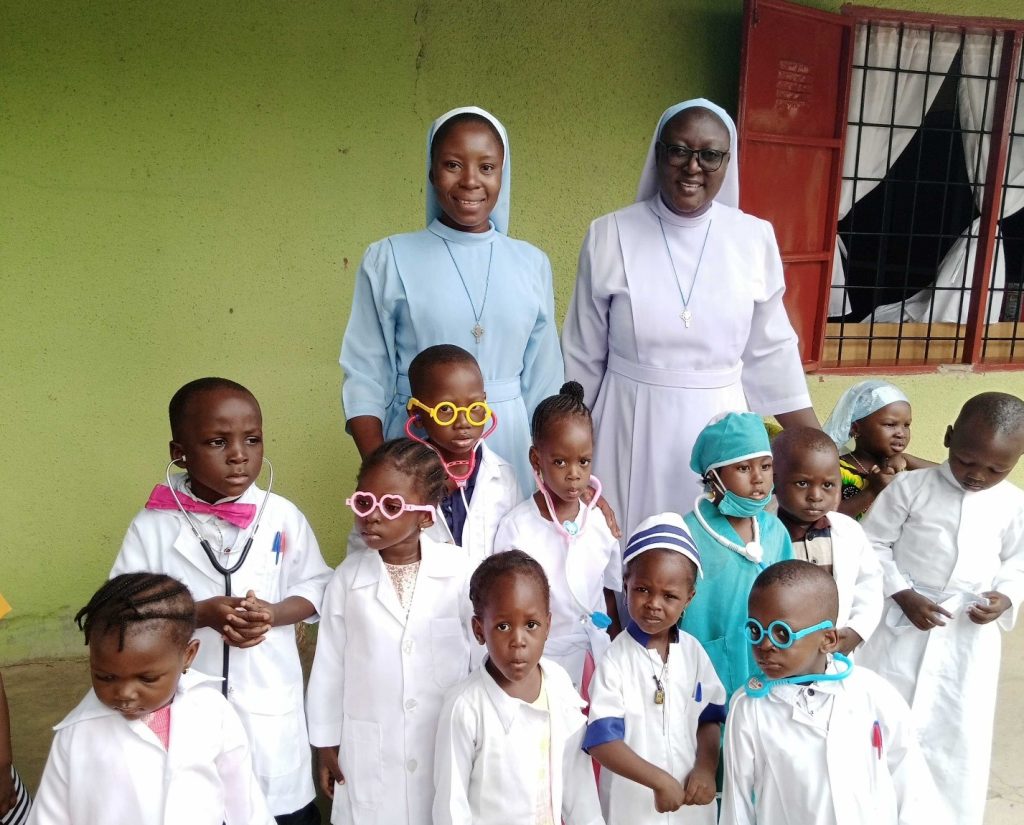
Through her participation in ASEC’s Sisters Leadership Development Initiative (SLDI), Sr. Veronica strengthened her leadership and administrative skills, which she continues to apply in service to her community. Her commitment to environmental stewardship reflects the servant leadership that SLDI seeks to cultivate—recognizing needs, inspiring others, and taking action to create positive change.
My Little Gesture to Care for the Earth
Caring for the Earth, our common home, is often imagined as something that requires large-scale actions or global initiatives. However, my personal journey has shown me that meaningful change can begin with small, consistent gestures. What I do may seem simple at times, but it is rooted in a deep sense of responsibility and commitment to protecting the environment.
My journey began with a quiet uneasiness as I noticed the growing amount of plastic waste around me—plastic bottles trapped in drainage gutters, nylon bags scattered along roadsides, and waste left behind after rainfall. These sights made me reflect on the impact of human actions on nature and ask myself: What part do I play in caring for the Earth?
That question changed me.
I started with my own choices. I became more intentional about reducing waste, choosing reusable containers, and avoiding unnecessary single-use plastics whenever possible. I also began collecting plastic waste in my community and school, creating a simple system where plastics could be gathered, cleaned, and stored. This small action helped others recognize the amount of waste we create and the importance of responsible choices.
Over time, what began as an individual effort became an opportunity to involve others. I invite children and community members to join me in cleaning our surroundings and teach them the importance of caring for our common home. When I see people disposing of plastics carelessly, I encourage them to consider the consequences, including blocked waterways and flooding. Some people laugh at first, but others begin to understand and join in the effort.
Planting trees has also become an important part of my commitment to the Earth. Wherever I serve, I try to leave behind trees that will benefit future generations. I have planted fruit trees and other trees that provide shade, serve as windbreaks, and contribute to a healthier environment.
This work has not always been easy. Some trees have been damaged by animals, and water shortages during the dry season create challenges. Despite this, I continue to nurture seedlings and plant trees because I believe each one represents hope for the future.
As a school leader, I continue to encourage students, staff, and community members to recognize their responsibility to care for creation. Caring for the Earth is not only an environmental issue—it is a moral and social responsibility. Our actions today affect the lives of future generations. I have learned that caring for the Earth is not about perfection. It is about awareness, responsibility, and choosing to act. Every piece of waste properly disposed of, every person encouraged to care for the environment, and every tree planted contributes to a larger culture of care.
My little gesture is not just about picking up waste or planting trees. It is about building bridges between people and creation, between communities and their surroundings, and between today’s choices and tomorrow’s future. When we recognize that caring for our common home is a shared responsibility, even small actions can inspire others and create lasting change.
Sr. Veronica belongs to the Congregation of the Sisters of Our Lady of Fatima (OLF). She currently serves as Principal of John Reddington Memorial College Ampang West-Mangu in Plateau State, Nigeria, and completed SLDI’s Administration Track in 2018.
SLDI: At a Glance
SLDI strengthens the leadership, administrative, financial, and technology competencies of Catholic sisters in Africa, equipping them with skills and knowledge to provide transformative services in their ministries and communities. As of March 31, 2026, SLDI has served 4,951 unique sisters representing 357 religious institutes across 10 African countries. Since 2007, the program has served 7,480 individuals through SLDI workshops, alumni activities, and other capacity-building initiatives.
SLDI’s impact extends beyond the sisters who participate directly in the program. Eighty-seven percent of SLDI alumni report making at least one internal system improvement within their religious institutes. Alumni-initiated projects have created 6,217 jobs, while their ministries collectively serve an estimated 10.8 million individuals. By strengthening sisters’ leadership and organizational skills, SLDI helps religious institutes improve their work and expand their contributions to the communities they serve.
Be a Ray of Hope
Communities across Africa are counting on Catholic Sisters, but 48 lack the education needed to carry out their important mission work. You can be a Ray of Hope for a Sister who needs you by donating to her education today.



Leave a Reply