
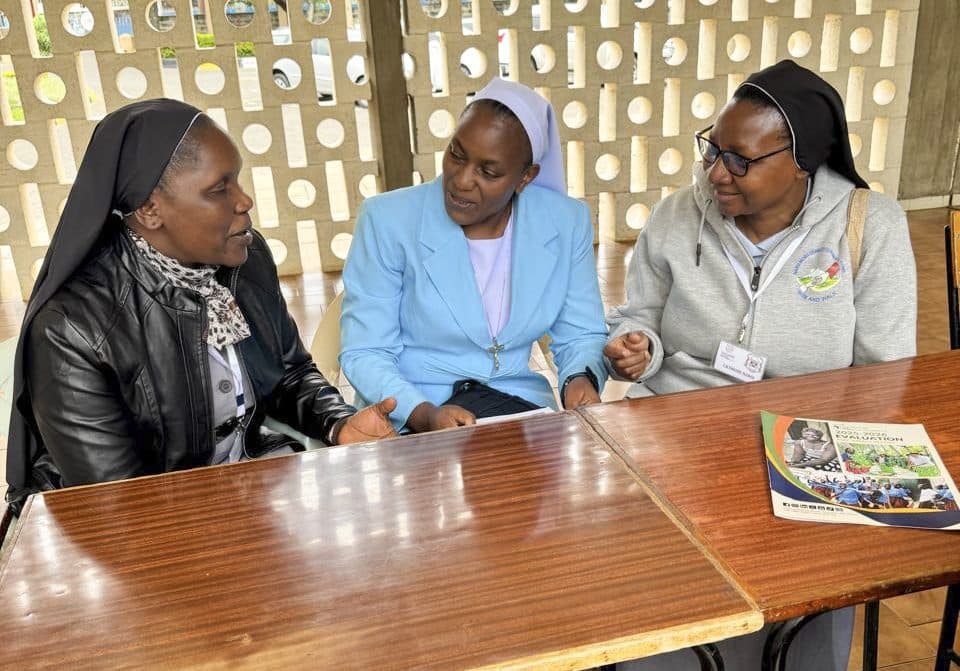
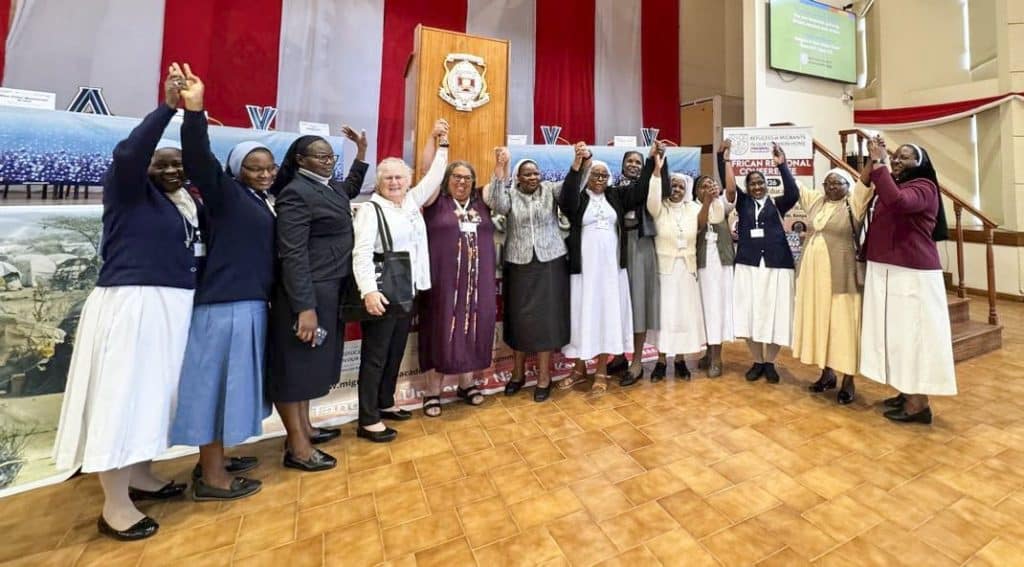
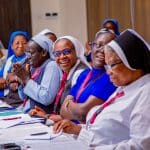
For two days, June 29-30, 2026, the conference hall and classrooms of Tangaza University in Nairobi, Kenya, became spaces of encounter. Scholars exchanged ideas, refugees shared personal stories, and educators, African Catholic sisters, and international partners reflected on new possibilities as they imagined just responses to migration, one of humanity’s defining challenges in Africa. Inspired by Pope Francis’ Global Compact on Education, the African Regional Conference on Issues of Education Relating to Migrants and Refugees in Africa, convened under the Our Common Home initiative led by Villanova University’s Mother Cabrini Institute on Immigration, explored how higher education can respond through teaching, research, advocacy, and service.
Beyond the presentations and discussions, a story emerged that demonstrated the growing influence of African Catholic sisters in shaping the future of migration education. For years, ASEC has invested in educating, mentoring, and accompanying women religious through its leadership, capacity-building, and higher education programs. In Nairobi, those investments became visible through sisters who once entered classrooms as students and are now alumni, returning as researchers, presenters, collaborators, and thought leaders whose scholarship is contributing to conversations within Africa and beyond. ASEC alumni, Higher Education for Sisters in Africa (HESA) students, staff, and the Chair of ASEC’s Board of Directors contributed as keynote speakers, presenters, interviewers, and collaborators. Their presentations examined migration through diverse yet interconnected lenses, including human trafficking, education, food insecurity, climate change, ecological hope, culture, peacebuilding, and the Gospel’s call to accompany migrants and refugees grounded in Ubuntu and synodality. Together, they offered more than research findings; they offered an African vision rooted in human dignity, faith, and lived experience.
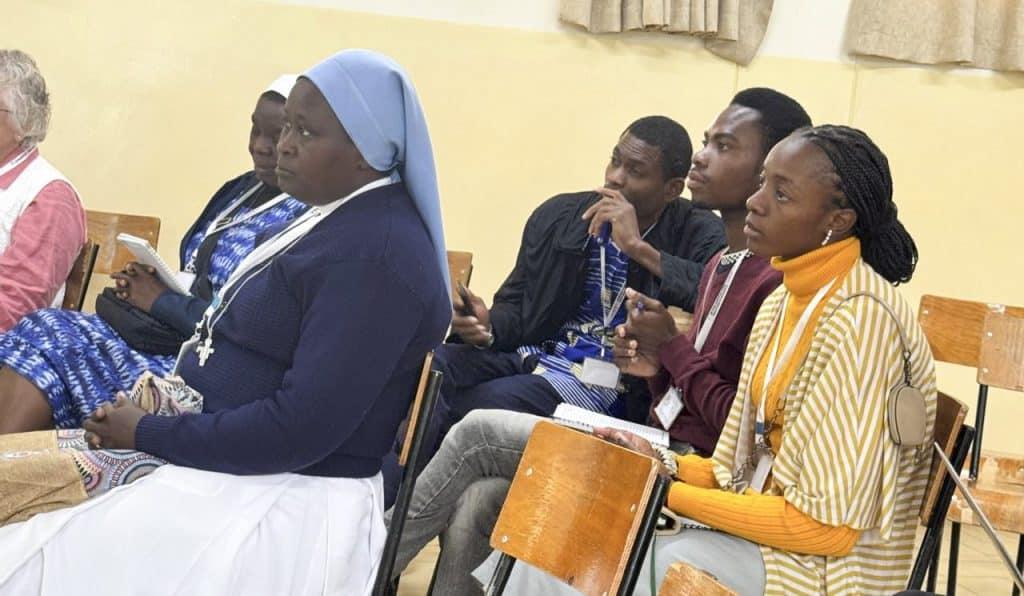
Perhaps the conference’s most profound teachers, however, were the migrants and refugees themselves. They were not simply the focus of discussion. They spoke, questioned, challenged, and inspired. Their stories reminded participants that migration is ultimately about people, and that authentic education begins not with data but with listening, encounter, and the courage to see the world through another’s eyes.
The impact of these encounters quickly reached beyond Nairobi. Following her presentation on community-based sustainable agriculture and food security, Sr. Rose Ochier, CP, an ASEC alum, received a sponsored invitation to present her research at the global Our Common Home gathering in Rome in October 2026. At the same time, Sr. Joyce Nyakwama, SSND, ASEC Country Director for Kenya, was invited to join an international team developing a Migration Curriculum for the Global Migration Academy to be implemented across universities in Africa. These invitations signal a growing reality: African Catholic sisters are emerging as influential contributors to international scholarship, policymaking, and educational innovation.

SLDI: At a Glance
SLDI strengthens the leadership, administrative, financial, and technology competencies of Catholic sisters in Africa, equipping them with skills and knowledge to provide transformative services in their ministries and communities. As of March 31, 2026, SLDI has served 4,951 unique sisters representing 357 religious institutes across 10 African countries. Since 2007, the program has served 7,480 individuals through SLDI workshops, alumni activities, and other capacity-building initiatives.
SLDI’s impact extends beyond the sisters who participate directly in the program. Eighty-seven percent of SLDI alumni report making at least one internal system improvement within their religious institutes. Alumni-initiated projects have created 6,217 jobs, while their ministries collectively serve an estimated 10.8 million individuals. By strengthening sisters’ leadership and organizational skills, SLDI helps religious institutes improve their work and expand their contributions to the communities they serve.
Be a Ray of Hope
Communities across Africa are counting on Catholic Sisters, but 48 lack the education needed to carry out their important mission work. You can be a Ray of Hope for a Sister who needs you by donating to her education today.

Leave a Reply